
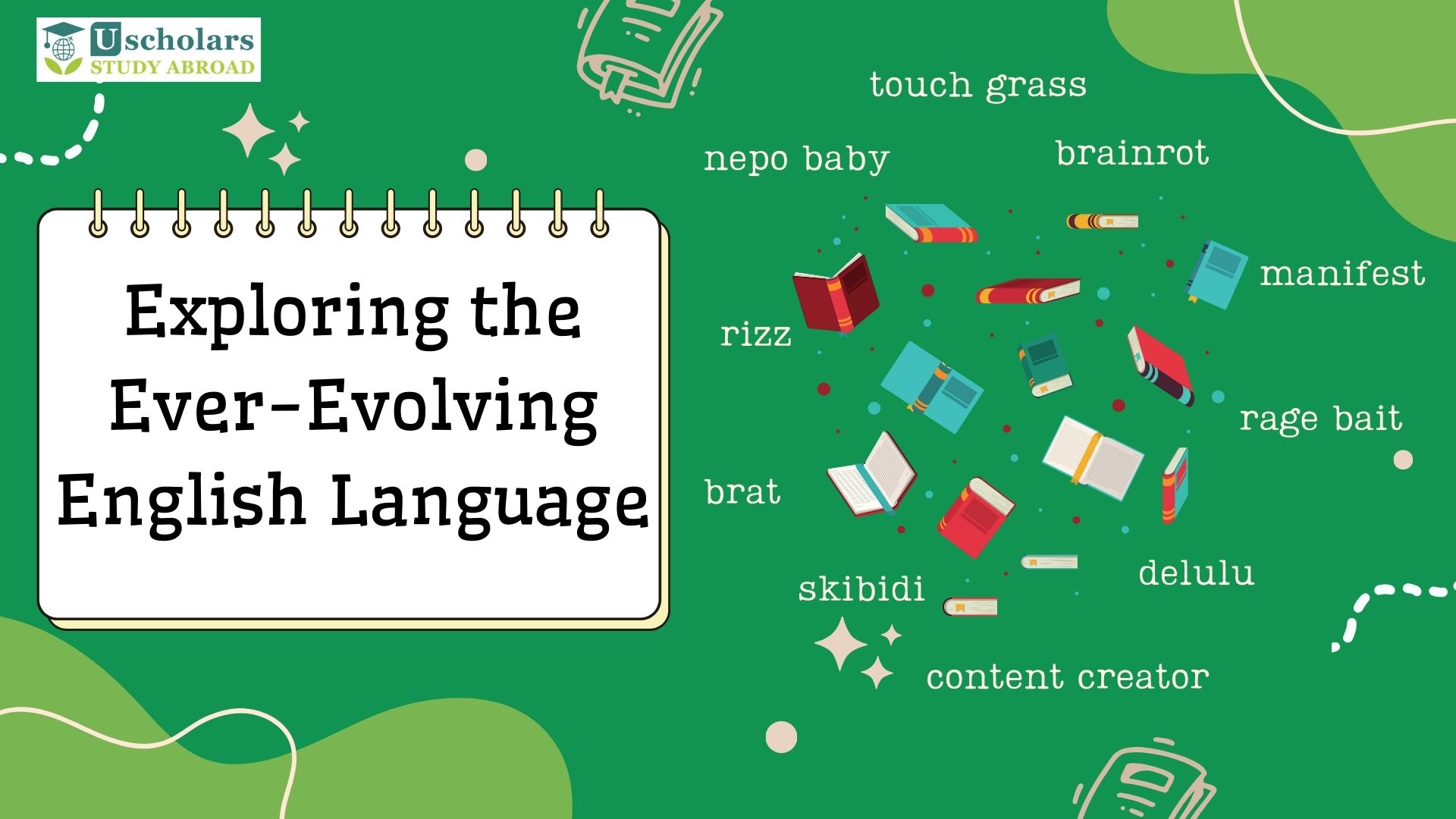
New Words Added to Dictionaries in Recent Years
The English language is a living entity, constantly growing and adapting to reflect our changing world. Every year, major dictionaries like Merriam-Webster, Oxford English Dictionary (OED), Cambridge, and Dictionary.com add hundreds of new words, phrases, and definitions. These additions capture emerging trends in technology, social media, culture, politics, and everyday life. As of late 2025, we've seen a surge in terms influenced by Gen Z and Alpha slang, AI developments, social issues, and viral internet phenomena.In 2024 and 2025, dictionaries incorporated terms that highlight our digital immersion, mental health concerns, and playful online expression. From "brain rot" describing the effects of endless scrolling to "demure" redefined through TikTok trends, these words show how social media accelerates language evolution.
Why New Words Matter
Dictionaries don't invent words; they document widespread usage. Lexicographers monitor sources like social media, news, and academic journals to determine additions. A word must show sustained use, often over years, to earn a spot. This process ensures the dictionary remains a reliable record of contemporary English.
Recent additions often stem from:
- Social media and internet culture: Platforms like TikTok and X (formerly Twitter) birth viral terms.
- Technology and AI: Words reflecting generative AI and digital content.
- Social and cultural shifts: Terms on identity, wellness, and politics.
- Global influences: Terms are borrowed from other languages or regional varieties of English.
In 2024, Merriam-Webster added 200 words and phrases, including "nepo baby" and "touch grass." The OED introduced over 500 in its December 2024 update, like "content creator" and "cosy crime." Cambridge added thousands, featuring youth slang like "skibidi" and "delulu."
Spotlight on Slang and Gen Z Influence
Much of the newest vocabulary comes from younger generations. Gen Z (born 1997-2012) and Gen Alpha (born 2010+) dominate online spaces, creating and spreading slang rapidly.
Here's a table of popular slang terms added or popularised in 2024-2025:
|
Word/Phrase |
Meaning |
Origin/Context |
Example Usage |
|
Skibidi |
Slang meaning "bad," "cool," or nonsensical; from the "Skibidi Toilet" series |
Gen Alpha, YouTube/TikTok |
"That outfit is skibidi!" |
|
Delulu |
Short for "delusional"; believing unrealistic things |
Social media, fandoms |
"She's delulu if she thinks he'll reply." |
|
Rizz |
Charisma, especially in flirting |
Gen Z, streaming/TikTok |
"He has so much rizz." |
|
Brain rot |
Deterioration of mental state from low-quality online content |
Social media overuse |
"Too much TikTok gives me brain rot." |
|
Demure |
Modest and reserved; viral trend for mindful, shy behaviour |
TikTok (Jools Lebron) |
"See how I eat my lunch? Very demure." |
|
Brat |
Confidently rebellious and bold (positive connotation) |
Charli XCX album |
"Jenny is brat." |
|
Touch grass |
Go outside and engage with the real world (away from screens) |
Online vs. offline life |
"You need to touch grass." |
|
Nepo baby |
A person succeeding due to family connections |
Hollywood/nepotism discussions |
"She's a total nepo baby." |
|
The ick |
Sudden feeling of disgust toward someone |
Dating culture |
"His laugh gave me the ick." |
|
Chef's kiss |
Gesture/expression for something perfect |
Internet approval |
"That performance? Chef's kiss." |
These terms illustrate how humour, irony, and brevity define modern slang. Many start on TikTok, spread via memes, and enter mainstream use.
Technology and AI-Driven Words
AI's rise has introduced terms reflecting its impact:
|
Word/Phrase |
Meaning |
Origin/Context |
Example Usage |
|
Hallucinate |
AI is producing false information |
Chatbots like ChatGPT |
"The AI hallucinated facts." |
|
AI slop |
Low-quality, error-filled AI-generated content |
Generative AI criticism |
"The internet is full of AI slop." |
|
Manifest |
Actively thinking something into reality |
Self-help, social media |
"I'm manifesting a promotion." |
|
Slop |
Worthless or low-quality digital content (often AI) |
Online content flood |
"Avoid that slop on your feed." |
|
Rage bait |
Content designed to provoke anger for engagement |
Social media algorithms |
"That's just rage bait." |
These highlight concerns over misinformation and content quality in the digital age.
Cultural and Social Additions
Broader societal trends also shape new entries:
|
Word/Phrase |
Meaning |
Origin/Context |
Example Usage |
|
Tradwife |
Woman embracing traditional housewife role |
Social media lifestyles |
"The tradwife aesthetic is trending." |
|
Cosy crime |
Light-hearted crime fiction |
Book genres |
"I love reading cosy crime novels." |
|
Content creator |
A person making online media for a living |
Influencer culture |
"She's a full-time content creator." |
|
Climavore |
Person eating based on climate impact |
Environmental awareness |
"As a climavore, I avoid red meat." |
|
Parasocial |
One-sided relationship with a celebrity/media figure |
Fan culture, psychology |
"Parasocial bonds with streamers." |
Terms borrowed from global variations of English, like "japa" (Nigerian English for emigrating) or food terms like "stroopwafel," enrich the language further.
The Future of English Vocabulary
As we move into 2026, you can expect more AI-related terms, climate-focused words, and evolving slang. Language evolution shows no signs of slowing—social media ensures new words spread globally in days.
Keeping up with these changes isn't just fun; it helps us understand cultural shifts. Next time you hear "delulu" or see someone "manifesting," you'll know exactly what's meant.
This dynamic vocabulary reminds us: English isn't static—it's as vibrant and unpredictable as the people who speak it.