
About University
University of Northern British Columbia is a public research university in Prince George, British Columbia. It is known as one of Canada's strongest small universities, with a northern-focused academic identity, close student support and a campus built around environmental sustainability.
For students planning for the September 2026 intake, UNBC is a practical choice if you want Canada, smaller class sizes and programs connected to health, environment, natural resources, business, social sciences and northern community development.
Quick Facts
| Detail | Information |
|---|---|
| Institution type | Public university |
| Main campus | Prince George, British Columbia, Canada |
| Regional presence | Campuses and learning sites in northern British Columbia, including Prince Rupert, Terrace, Quesnel and Fort St. John |
| Founded | 1990; opened for students in 1994 |
| Common intake | September 2026 for most undergraduate programs |
| Other intake | January intake is available for some general undergraduate programs |
| Academic calendar | September to December and January to April terms |
| Student profile | Small public university with international students from 40+ countries |
| Known for | Environmental studies, forestry, health, northern research, social work, business and community-focused learning |
| Campus address | 3333 University Way, Prince George, BC, Canada |
Why UNBC Can Be A Good Fit
UNBC works well for students who want a Canadian public university experience without the scale of a very large city campus. Prince George gives students access to a lower-pressure study environment, outdoor recreation, healthcare services, regional employers and a strong northern British Columbia community.
The university is especially relevant for students interested in environment, natural resources, sustainability, nursing and health-related fields, social work, education, business, science and community development. UNBC's identity is closely linked to northern Canada, so many programs connect classroom learning with regional issues such as climate, forestry, rural health, Indigenous communities and public policy.
2026 Tuition Snapshot
UNBC publishes tuition by credit hour and program level. The figures below are useful planning estimates for international students and should be checked again before applying because fees can change by term and program.
| Cost item | 2026 planning figure | Notes |
|---|---|---|
| International undergraduate tuition | About CAD 963.10 per credit hour | Based on UNBC's 2025-2026 international undergraduate fee schedule |
| Typical 30-credit undergraduate year | About CAD 28,893 tuition before mandatory fees | Actual total depends on course load and campus |
| Undergraduate admission deposit | CAD 9,000 | Paid after admission and applied toward tuition and fees |
| Graduate admission deposit | CAD 1,500 | Paid after admission and applied toward tuition and fees |
| Student and society fees | Vary by credit load and campus | Budget separately with tuition |
| Living costs | Vary by housing choice | Prince George is usually more manageable than Vancouver or Toronto, but students should still budget carefully |
Admission Snapshot
| Area | What students should check |
|---|---|
| Main application intake | September 2026 |
| General undergraduate deadline | March 1 for international applicants |
| Late September applications | May be accepted until July 11 for some general programs if seats and processing time allow |
| January entry | June 1 deadline for international applicants in general programs |
| Engineering | September intake only; March 1 first deadline, with late international applications listed to July 11 where available |
| Nursing | Some nursing routes do not accept international applicants |
| English requirement | Proof of English language proficiency is required unless exempt |
| Documents | Transcripts, English proof and any program-specific documents |
| Application route | UNBC directs applicants through its online admission process and EducationPlannerBC route |
Campus And Student Life
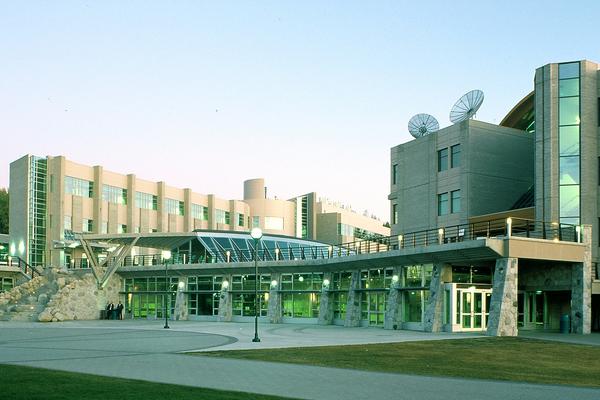
The Prince George campus sits above the city and is one of UNBC's strongest selling points. Students get a compact campus, connected buildings, study spaces, athletics, student clubs, residence options and support services without needing to navigate a very large metropolitan university.
International students should also think about climate and location. Prince George has cold winters and a smaller-city lifestyle, but it can be a strong fit if you want quieter study conditions, access to nature, lower crowd pressure and a community where it is easier to know faculty and classmates.
Who Should Consider UNBC?
UNBC can suit students who want:
- A September 2026 Canada intake at a public university
- A smaller campus and closer academic support
- Programs linked to environment, health, business, social sciences or northern studies
- A Prince George student lifestyle instead of a large-city experience
- A university with sustainability and community research as part of its identity
Things To Check Before Applying
Before finalising UNBC, students should confirm:
- The exact 2026 deadline for their program
- Whether the program accepts international applicants
- Tuition and mandatory fees for the chosen course load
- English language score requirement and accepted tests
- Residence availability and Prince George living budget
- Co-op, practicum, fieldwork or professional licensing requirements
Popular For
University of Northern British Columbia is popular with students who want a smaller Canadian public university with strong links to sustainability, northern communities and applied research.
Key Highlights
| Popular for | Why students choose it |
|---|---|
| Small public university | Easier access to faculty, support services and campus life |
| Prince George location | Lower-pressure student city with regional work and community access |
| Environmental focus | Strong identity around sustainability, forestry and northern ecosystems |
| Health and social programs | Relevant for students interested in nursing, health sciences, social work and community services |
| Natural resources | Good fit for forestry, environmental science, geography and resource-related study |
| Research culture | Public research university with northern British Columbia as a living study context |
| International support | International admission guidance and a dedicated student support environment |
| September 2026 intake | Main planning intake for most undergraduate applicants |
Why Students Choose UNBC
Students usually choose UNBC because it combines the credibility of a Canadian public university with the feel of a smaller campus. It is not trying to be a big-city university. Its strength is in close learning, northern research, environmental awareness and a student experience that feels more personal.
The Prince George setting also matters. Students who want Canada but do not want the housing pressure and scale of Vancouver, Toronto or Montreal may find UNBC easier to adjust to. The city gives access to healthcare, retail, community organisations, outdoor activities and regional employers while still keeping the campus experience focused.
Best Fit For 2026 Applicants
UNBC is a good match if you want:
- A September 2026 start in Canada
- A smaller public university
- Environment, health, social science, business or natural resource programs
- A study setting connected to northern Canada
- A quieter city where support and community are easier to access
Useful To Know
Some UNBC programs are competitive or have limited international intake routes, especially health and professional programs. Students should check the program page early instead of assuming that every course follows the general admission deadline.
1990
Established
29+
Courses Available
Need Help with University of Northern British Columbia?
Our expert counselors can guide you through the university application process and help you maximize your university opportunities.
Contact Us