
About University
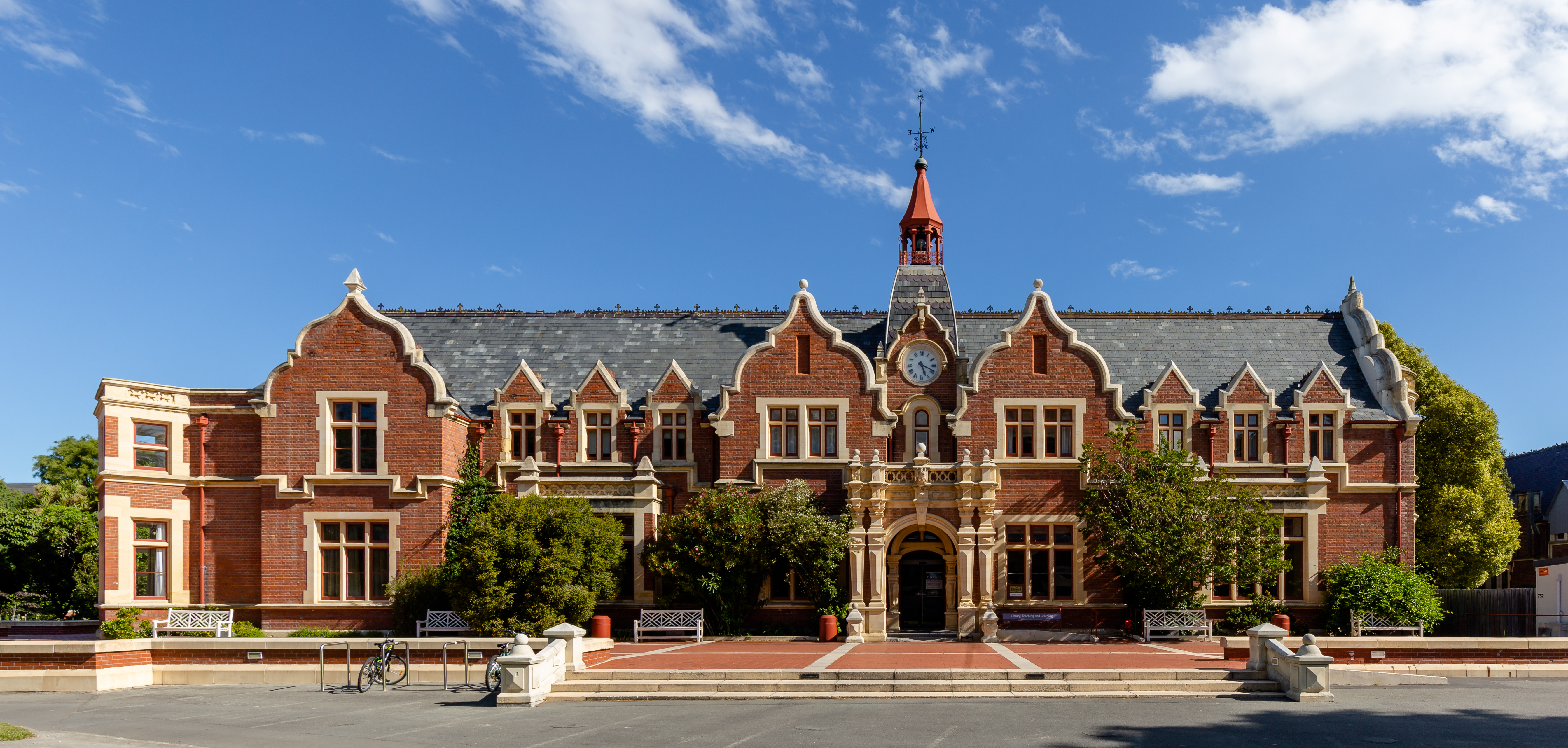
Lincoln University is New Zealand's specialist land-based university, with a compact campus in Canterbury and a strong focus on agriculture, environmental management, food, wine, agribusiness, land use and sustainability. It is a research-led university, but its teaching is especially practical and connected to real industries.
For students planning the July or November 2026 intake, Lincoln is a strong option if you want a smaller university with a clear subject focus, good student support and useful links to work experience in New Zealand's primary sectors.
Quick Facts
| Detail | Information |
|---|---|
| University type | Specialist public university |
| Main campus | Lincoln, Canterbury |
| Popular intake | July/November 2026 |
| Known for | Agriculture, environmental study, land-based research, sustainability and practical learning |
| Rankings | Top 450 in QS World University Rankings 2026 |
| Subject strength | 82nd in Agriculture and Forestry in QS 2026 |
| Support | International advisors, career services, accommodation and student support |
| Accommodation | On-campus and homestay options |
Why Lincoln Can Be A Good Fit
Lincoln is a good choice for students who want more than a large general university. Its identity is focused and specialist, which helps if your interests are in the land, food, environment, business or sustainability spaces.
The university also has a practical side. Many programmes include practical work, and the campus is set up to support a close-knit student experience. That can make it easier to settle in, build relationships and stay connected to your study.
Lincoln's support services are another strength. International students can access orientation, student health, accommodation help, disability support and careers advice, which matters when you are moving into a new country and study system.
2026 Tuition Snapshot
Lincoln publishes programme-specific international fees. A few examples are shown below to help with planning.
| Study example | 2026 fee estimate | Notes |
|---|---|---|
| Bachelor of Agricultural Science | Varies by year and course load | Sem 2 2026 and Sem 1 2027 starts listed on programme page |
| Bachelor of Environmental Management | Varies by year and course load | Semester 2 2026 and November Summer School starts listed |
| Bachelor of Commerce (Supply Chain Management) | Varies by year and course load | Includes internship opportunities in some pathways |
| Diploma in Natural Resources | Varies by year and course load | One-year full-time study option |
| Master of Fintech and Investment Management | Varies by year and course load | Postgraduate taught master's option |
Admission Snapshot
| Area | What students should check |
|---|---|
| Intake | July 2026 or November 2026 depending on programme |
| Semester dates | Semester 2 classes start 13 July 2026 |
| November intake | November Summer School starts 9 November 2026 |
| Application deadlines | Deadlines differ for domestic, international and current NZ students |
| Academic requirement | Depends on the programme and prior study |
| English requirement | Programme-specific English standards apply |
| Practical work | Many qualifications include practical work requirements |
Campus And Student Life
Lincoln's campus has a village feel rather than a big-city sprawl. That makes it easier for many students to get into a routine, find support and build a social life without feeling lost in a large institution.
The university also offers on-campus accommodation, homestays, student clubs, health support, faith and wellbeing services, and a student buddy programme. Those pieces matter when you are arriving from overseas and need a softer landing.
Who Should Consider Lincoln?
Lincoln can suit students who want:
- A July or November 2026 start
- A specialist university with a land-based focus
- Agriculture, environment, food or sustainability study
- Practical work and industry-linked learning
- A smaller, more connected campus environment
- Support for international students and accommodation
Things To Check Before Applying
Before finalising Lincoln, students should confirm:
- The exact programme and intake month
- The academic entry requirements for their qualification
- English language requirements
- Practical work expectations
- Accommodation availability for the chosen intake
- Final fee details and any extra course costs
Popular For
Lincoln is popular with students who want a specialist New Zealand university with strong links to the land, environment and primary industries.
Key Highlights
| Popular for | Why it matters |
|---|---|
| Agriculture and forestry | One of Lincoln's strongest global subject areas |
| Environmental management | Strong fit for sustainability-focused students |
| Practical work | Many qualifications include real work experience |
| Small campus feel | Easier to build relationships and settle in |
| Accommodation | On-campus living supports a close student community |
| Career support | Students can access internships, jobs and career events |
| Supply chain and agribusiness | Useful for students aiming at industry-linked business roles |
| Student support | International advisors, health, disability and wellbeing support are available |
Best-Fit Students
Lincoln is especially useful for students who:
- Want a July or November 2026 intake
- Like studying in a smaller, specialist university
- Are interested in agriculture, environment, wine, food or land-based study
- Want practical work built into their qualification
- Prefer a campus with strong student support and accommodation options
Student Takeaway
Lincoln works best when the student already knows the broad sector they want to move into and wants a university that is genuinely built around it.
1990
Established
#55
Ranking
67+
Courses Available
Need Help with Lincoln University?
Our expert counselors can guide you through the university application process and help you maximize your university opportunities.
Contact Us