

About University
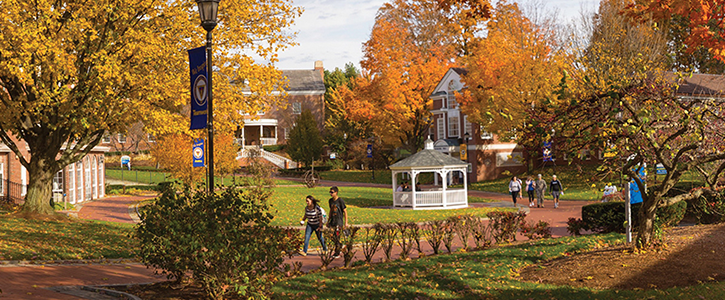
Western New England University is a comprehensive private university in Springfield, Massachusetts. It is known for small classes, a close-knit residential campus, strong career preparation and professional programs across arts and sciences, business, engineering, pharmacy and health sciences, and law.
For students planning the September 2026 intake, Western New England can be a strong fit if you want a supportive US university with practical learning, a campus community, internships, value-focused pricing and a welcoming environment for international students.
Quick Facts
| Detail | Information |
|---|---|
| Institution type | Private university |
| Main location | Springfield, Massachusetts |
| Popular intake | September 2026 |
| Known for | Small classes, career readiness and residential campus life |
| Campus size | 215 acres |
| Student-faculty ratio | 12:1 |
| Average class size | 16 students |
| Student profile | More than 3,600 students across undergraduate, graduate and professional study |
| Student support | Advising, tutoring, career services and student life support |
Why Western New England Can Be A Good Fit
Western New England is a good option for students who want a university that feels personal and highly supportive. The school repeatedly emphasizes attention to each student's academic and personal development, and its small classes and advising culture reinforce that.
It is also a strong value choice. The university highlights merit aid, career outcomes and competitive net cost, which makes it appealing for students who want private-university support without an out-of-reach price point.
2026 Tuition Snapshot
Western New England publishes 2026-27 housing and graduate/professional tuition figures, and its undergraduate cost pages emphasize merit aid and bottom-line affordability.
| Study level or route | Indicative 2026 fee pattern | Notes |
|---|---|---|
| Undergraduate tuition and fees | Varies by aid package and program | 2026-27 cost page emphasizes net price after aid |
| Undergraduate part-time rate | USD 1,596 per credit | 2026-27 rate |
| Undergraduate health insurance charge | USD 2,590 | 2025-26 rate shown on the cost page |
| Residence halls | USD 8,280 to USD 14,180 | 2026-27 housing rates |
| Fall 2026 merit scholarships | USD 29,000 to USD 34,000 annually | Awarded to first-year students based on academic achievement |
Admission Snapshot
| Area | What students should check |
|---|---|
| Academic requirement | Depends on programme and student background |
| Application route | Common Application or WNE application |
| Application timing | Rolling admissions for undergraduate programs |
| English requirement | Required for international applicants |
| Financial aid | Merit scholarships and need-based aid are available |
| Housing | First-year and sophomore students are normally required to live on campus |
| Start date | September 2026 is the main planning intake |
Campus And Student Life
Western New England's campus is deliberately residential and community-oriented. Most undergraduates live on campus, and first- and second-year students generally have a residency requirement unless they live nearby with a parent or guardian.
The university also offers a lot of student life infrastructure, including athletics, clubs, student engagement, health and wellness and a student hub that centralizes support.
Who Should Consider Western New England?
Western New England can suit students who want:
- A September 2026 US intake
- A residential campus with a close community feel
- Strong career preparation and internships
- Small classes and personal attention
- Merit scholarship support
- A professional and practical education
- Support for international students
Things To Check Before Applying
Before finalising Western New England, students should confirm:
- The exact programme and school
- Tuition after merit aid
- Housing and health insurance charges
- International admissions requirements
- Scholarship eligibility
- Residency rules for their year level
Popular For
Western New England University is especially popular with students who want a supportive private university with strong career preparation, residential life and professional programs.
Key Highlights
| Popular for | Why students choose it |
|---|---|
| Career readiness | Strong outcomes and job-market preparation |
| Small classes | Average class size of about 16 students |
| Residential campus | Majority of undergraduates live on campus |
| Merit scholarships | Significant aid for incoming students |
| Engineering and business | Professional programs with strong support |
| International student support | Welcoming campus and dedicated services |
| Internship culture | More than 1,000 internship sites are highlighted |
| Student hub model | Centralized advising, support and services |
Why Students Choose WNE
WNE appeals to students who want a university that is structured, supportive and outcome-focused. The school makes a clear case that students get personal attention, hands-on learning and a strong route into employment or graduate study.
Its Springfield location also helps. Students get a campus-based experience with access to Boston, New York City and the wider Northeast job market.
Best Fit For September 2026
WNE is a good match for students planning the September 2026 intake if they want:
- A private university with strong value
- Residential life and close support
- Internship and career coaching
- A broad range of professional programs
- Merit scholarship opportunities
- A friendly campus for international students
Useful To Know
Western New England highlights that its graduates earn an average of $6,916 a year more than 80% of students from comparison schools in the federal College Scorecard context, which reinforces its return-on-investment story.
1919
Established
26+
Courses Available
Need Help with Western New England University?
Our expert counselors can guide you through the university application process and help you maximize your university opportunities.
Contact Us