
Part-Time Job Opportunities
Find part-time work opportunities while studying at Trinity College Dublin
Part-Time Jobs Around Trinity College Dublin
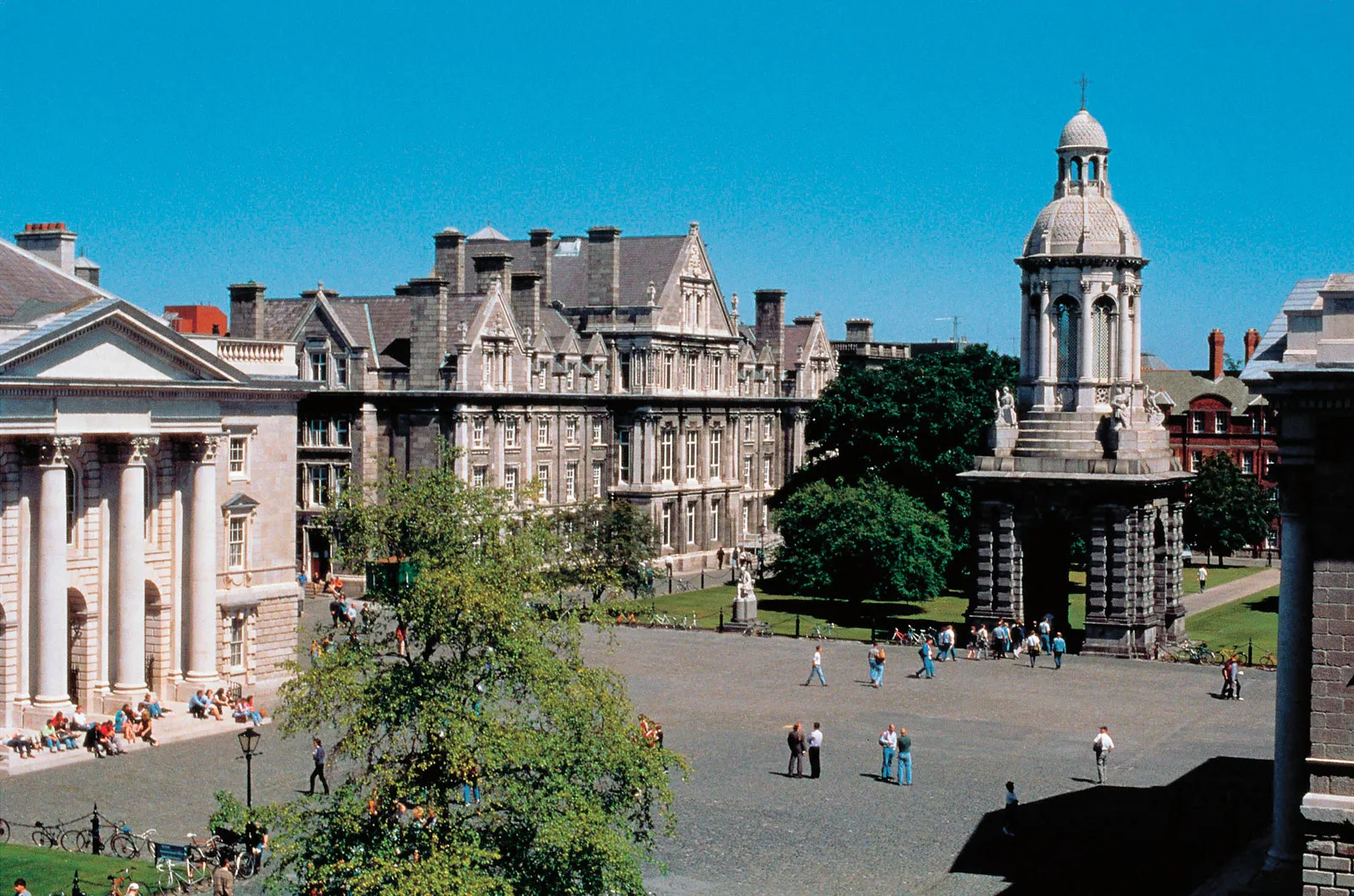
Trinity College Dublin's city-centre location gives students access to many part-time job options in Dublin. Students are close to retail areas, cafes, restaurants, hotels, offices, museums, event venues, tourism businesses and transport links.
For international students, part-time work can help with living experience, confidence and local exposure. It should not be the main way to fund tuition or high living costs, because hours are limited and job availability is not guaranteed.
Student Work Rules In Ireland
Eligible non-EU students with Stamp 2 permission can usually work:
- Up to 20 hours per week during term time
- Up to 40 hours per week during permitted holiday periods
- Only while immigration permission remains valid
Common full-time work periods are usually summer and the Christmas holiday window. Students should always check current Irish immigration rules before working, because visa conditions matter more than employer preference.
Common Part-Time Job Options
Students around Trinity commonly look for work in:
- Cafes and coffee shops
- Restaurants and fast-food outlets
- Retail stores
- Supermarkets and convenience stores
- Hotels and guest services
- Event staffing
- Tourism and visitor services
- Customer service roles
- Administrative support
- Tutoring or academic support, if eligible
- Campus ambassador roles
- Student union or university support roles
- Internships or casual office roles related to their field
Where Students Can Search
Trinity students should start with official and safe channels. Trinity Careers Service promotes MyCareer as the student careers portal for opportunities including part-time roles, internships, traineeships and graduate roles.
Students can also check:
- MyCareer portal
- Trinity Careers Service events
- On-campus notices and student networks
- Irish job boards
- Company career pages
- Local cafes, shops and hotels near Dublin city centre
- Referrals through classmates and societies
Students should be careful with job scams. Any role asking for upfront payment, passport handover, unusual bank transfers or unclear work conditions should be avoided.
What Students Usually Need Before Working
Before starting work, students may need:
- Valid Irish immigration permission
- Irish Residence Permit, where applicable
- PPS number for tax
- Irish bank account
- CV suited to Irish employers
- Class timetable to manage legal work hours
- Understanding of minimum wage, payslips and tax
Students should not work beyond permitted hours, even if an employer offers extra shifts. Visa compliance is more important than short-term income.
Balancing Work And Study
Trinity can be academically demanding, and Dublin life can be busy. Students should choose part-time hours carefully, especially during the first semester.
A sensible approach is to settle into classes first, understand assignment deadlines, then start with a manageable number of hours. Weekend shifts, evening shifts and holiday work can be useful, but students should protect attendance, coursework and exam preparation.
Best Areas To Explore Near Trinity
Because Trinity is in central Dublin, students can explore part-time work around:
- Grafton Street
- Temple Bar
- Dawson Street
- Dame Street
- St Stephen's Green
- Dublin city-centre retail stores
- Hotels and restaurants near College Green
- Cafes and offices around Dublin 2
- Event venues and tourism businesses
Advice For September 2026 Students
Students arriving for the September 2026 intake should prepare a one-page CV, understand Stamp 2 work rules, register with MyCareer, apply early for suitable roles and avoid relying on part-time income for tuition fees.
Part-time work can be valuable, but the main goal should be to build confidence, local experience and employability while keeping academic performance strong.
Still have questions about Trinity College Dublin?
Our expert counselors are here to help you with any queries about studying at Trinity College Dublin.
Contact Us